Diwali Kab Hai 2026? Date, Lakshmi Puja Muhurat, Rituals and Significance

Diwali Kab Hai 2026?
Diwali is one of the most cherished festivals in India. Every year, households come together for this special event with the aid of using cleansing their homes, decorating entrances with rangoli, lights diyas, making ready chocolates, and spending time with cherished ones. The competition brings people together and creates an environment of happiness, hope, and positivity.
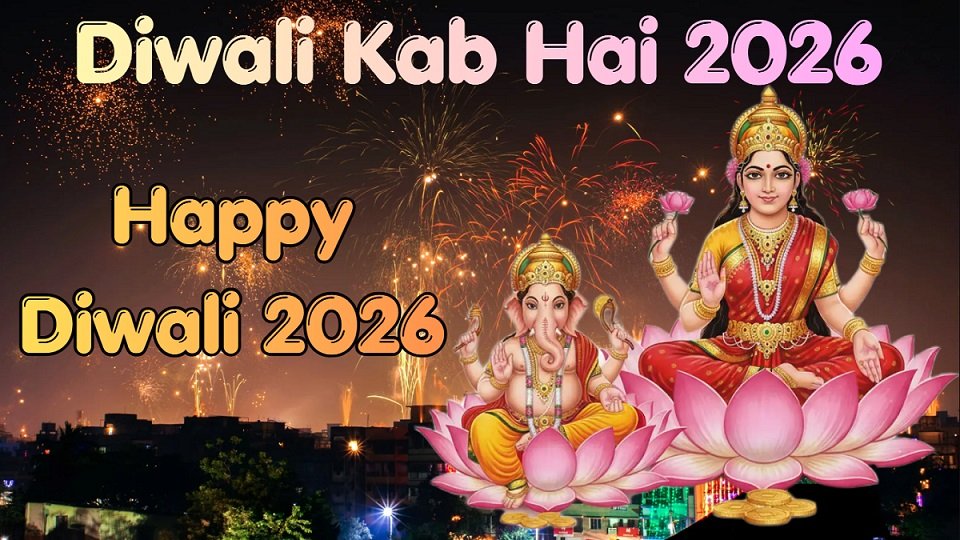
If you are thinking Diwali kab hai in 2026, the pageant may be celebrated on Sunday, November 8, 2026. Diwali is observed on Kartik Amavasya, the new moon day of the Hindu lunar month of Kartik.
For many households, the evening is the most important a part of the birthday celebration due to the reality it’s far the conventional time for Lakshmi and Ganesha Puja. People light lamps around their homes, offer prayers, and share goodies with buddies, cherished ones, and neighbours.
Table of Contents
Although the festival is widely recognized in precise tactics at some stage in India, its message stays the equal: welcome goodness, go away negativity in the back of, and convey greater light into life.
Diwali 2026 Date and Important Information
Here are the vital facts you have to know about Diwali in 2026.
| Information | Details |
|---|---|
| Festival | Diwali or Deepavali |
| Date | November 8, 2026 |
| Day | Sunday |
| Hindu Month | Kartik |
| Tithi | Amavasya |
| Main Puja | Lakshmi-Ganesha Puja |
| Traditional Decorations | Diyas, rangoli, flowers, and lights |
| Popular Traditions | Prayers, sweets, gifts, and family gatherings |
| Main Significance | The victory of good over evil |
Diwali is a festival based completely on the Hindu lunar calendar, so its date changes every 365 days in the Gregorian calendar. The timing of spiritual rituals also can differ from one metropolis to a few other.
Diwali 2026 Lakshmi Puja Muhurat
Lakshmi Puja is an important part of Diwali celebrations. Families worship Goddess Lakshmi for prosperity and well-being and Lord Ganesha for records, suitable fortune, and the elimination of obstacles.
According to the posted Panchang timings for New Delhi, the Lakshmi Puja muhurat on November 8, 2026, is about 5:54 PM to 7:50 PM.
This timing is for New Delhi. If you stay in another town, take a look at the neighborhood Panchang before starting the puja, because the auspicious length may also vary by area.
How to Prepare for Diwali Puja
Preparing for the puja does not have to be complex. An easy prayer location and the necessary pooja items are typically sufficient to get started.
- Clean the house and arrange the prayer area before the evening.
- Place the idols or snapshots of Goddess Lakshmi and Lord Ganesha on a clean platform.
- Keep vegetation, culmination, chocolates, incense, rice grains, and diyas prepared.
- Arrange oil or ghee and cotton wicks for lighting the lamps.
- Wear smooth clothes and comply with your circle of relatives’ traditional Pooja practices.
- Confirm the nearby muhurat before beginning the ceremony.
Families may additionally take a look at one in every of a kind customs, so it’s miles perfectly low-priced to examine the traditions practised in your house.
Read Also: Thomson Reuters Hyderabad – Office Location, Careers, Services & More
Why Do We Celebrate Diwali?
Diwali is connected with numerous non-secular memories and cultural traditions. For many people, the competition is an opportunity to hope, reconnect with the circle of relatives, and begin a modern-day phase of existence with a positive mindset.
Lord Rama’s Return to Ayodhya
One of the most well-known reminiscences related to Diwali is the return of Lord Rama to Ayodhya after 14 years of exile. According to the traditional account, Lord Rama returned with Goddess Sita and Lakshmana after defeating Ravana.
The people of Ayodhya are believed to have welcomed them by lighting lamps. This story is one of the reasons why diyas stay such a crucial part of Diwali in many parts of India.
Worship of Goddess Lakshmi
Goddess Lakshmi is historically related to wealth, prosperity, and abundance. On Diwali, many households enhance their homes and carry out Lakshmi Puja to try to find advantages for the upcoming 12 months.
Lord Ganesha is worshipped along with her because of the truth he represents: knowledge, precise fortune, and auspicious beginnings. For many families, the puja is a way to express gratitude and pray for peace and happiness.
The Victory of Good Over Evil
The meaning of Diwali goes beyond religious ceremonies. It reminds human beings that goodness, honesty, and preference are actually really worth selecting even for the duration of tough times.
The lighting of lamps represents the concept of bringing light into darkness. This easy manner of existence keeps to make the competition meaningful for human beings of different generations.
Diwali also has specific importance for different communities. For Jains, the occasion is associated with the nirvana of Lord Mahavira. Many Sikh agencies have a good time Bandi Chhor Divas across the identical time.
Five Days of Diwali Celebration
In many parts of India, Diwali is widely celebrated over 5 days. Each day has its very own traditions and brings a one-of-a-kind reason for families to have an awesome time.
| Day | Festival | What It Represents |
|---|---|---|
| Day 1 | Dhanteras | Prosperity, health, and traditional shopping |
| Day 2 | Naraka Chaturdashi or Choti Diwali | The defeat of evil and preparations for the main festival |
| Day 3 | Diwali | Lakshmi-Ganesha Puja and lighting diyas |
| Day 4 | Govardhan Puja | Traditions associated with Lord Krishna |
| Day 5 | Bhai Dooj | The loving bond between brothers and sisters |
The precise dates and customs may also range according to nearby traditions and the nearby Hindu calendar.
How to Perform Diwali Puja at Home
You do not need a complex arrangement to celebrate Diwali meaningfully. Many households take a look at a simple puja at home, in line with their traditions.
Step 1: Clean and decorate your property. Before the occasion, tidy the rooms and put together the entrance with rangoli, plant life, or decorative lighting fixtures.
Step 2: Prepare the prayer region. Place Goddess Lakshmi and Lord Ganesha on a clean platform. Arrange the puja items so that the whole lot is prepared before the rite begins.
Step 3: Light the diyas. Light lamps within the prayer place and in different safe locations around the house. Keep them away from curtains and one of a kind flammable substances.
Step 4: Make the offerings. Offer plant life, fruits, goodies, and specific gadgets consistent with your circle of relatives’ customs.
Step 5: Perform the puja and aarti. Offer prayers to Goddess Lakshmi and Lord Ganesha. You can recite traditional prayers or observe the technique practised through your own family.
Step 6: Share prasad with everybody. Once the puja is complete, distribute prasad and spend time with your circle of relatives.
These are popular steps. Specific rituals and mantras can vary between families and regions.
How Do People Celebrate Diwali?
Diwali celebrations appear distinctive in every home; however, a few traditions are not unusual in many parts of India.
People beautify their houses with lighting fixtures and vegetation, put together conventional dishes, put on new clothes, and exchange items. Children frequently experience the decorations and festive treats, at the same time as households use the event to visit loved ones and reconnect with pals.
Many people moreover keep in mind Diwali as a fantastic time to assist others. Sharing meals, giving objects to those in need, or supporting nearby businesses could make the birthday party extra good-sized.
For some households, the competition is likewise an opportunity to begin new financial or family sports activities, counting on their cultural and regional customs.
Diwali Decoration Ideas for Your Home
You may want to make your property feel festive without spending a lot of cash. A few thoughtful decorations can create a warm and welcoming environment.
- Clay diyas: Traditional lamps add a smooth, cute touch to entrances and balconies.
- Rangoli designs: Colourful styles at the entrance make the home look festive.
- Flower decorations: Marigold garlands may be used around doors and prayer areas.
- String lights: Decorative lights brighten balconies, home windows, and outdoor spaces.
- An easy puja nook: Arrange the prayer items well to make the rite less tough.
When the use of diyas or electric lighting fixtures, don’t forget to take a look at essential hearth and electric safety precautions. Never leave an open flame unattended.
Safety Tips for a Happy Diwali
Everyone wants to experience the opposition without accidents or needless trouble. A little care can help keep the celebration safe.
Avoid immoderate firecracker use, and comply with nearby policies everywhere fireworks are authorised. Smoke and loud noise can disturb kids, older human beings, pets, and others who are touchy to them.
Keep diyas a long way from curtains, paper, and furniture. Check electric-powered decorations before switching them on, and avoid overloading sockets. Store candies and different food nicely, specifically whilst preparing them in advance.
You can also make the competition more considerate by means of the usage of decreasing waste, the usage of reusable decorations, and sharing meals or gadgets with folks who may additionally need more help.
Frequently Asked Questions About Diwali 2026
1. Diwali Kab Hai in 2026?
Diwali is probably celebrated on Sunday, November 8, 2026, in keeping with the competition calendar.
2. What Is the Date of Lakshmi Puja in 2026?
Lakshmi Puja will take place on Diwali, November 8, 2026. The specific auspicious time is predicated upon your place and neighborhood Panchang.
3. Why Does the Date of Diwali Change Every Year?
Diwali follows the Hindu lunar calendar instead of a set date in the Gregorian calendar. Therefore, it typically falls in October or November.
4. What Is the Difference Between Diwali and Deepavali?
Diwali and Deepavali are seeking recommendation from the same pageant. Both names are related to the subculture of lights and rows of lamps.
5. How Many Days Is Diwali Celebrated?
In many Indian traditions, the pageant lasts 5 days, from Dhanteras thru Bhai Dooj. The unique customs range thru areas.
6. Which Gods Are Worshipped on Diwali?
Goddess Lakshmi and Lord Ganesha are the number one deities worshipped thru many Hindu families throughout Diwali.
7. What Is the Main Message of Diwali?
Diwali represents the victory of light over darkness and good over evil. It additionally encourages choice, kindness, gratitude, and togetherness.
Conclusion
Diwali is greater than a competition of lighting. It is a time while households come collectively, houses are full of warmth, and those live up for happiness and new beginnings.
In 2026, Diwali falls on Sunday, November 8. People can have an amazing time at the event with lights, diyas, performing Lakshmi-Ganesha Puja, redecorating their houses, sharing sweets, and spending time with loved ones.
If you’re planning your celebrations, take a look at the nearby puja muhurat, prepare your pooja items in advance, and have a look at stable practices sooner or later of the festival.
May this Diwali convey happiness, peace, prosperity, and new opportunities to you and your own family.
Happy Diwali 2026!